


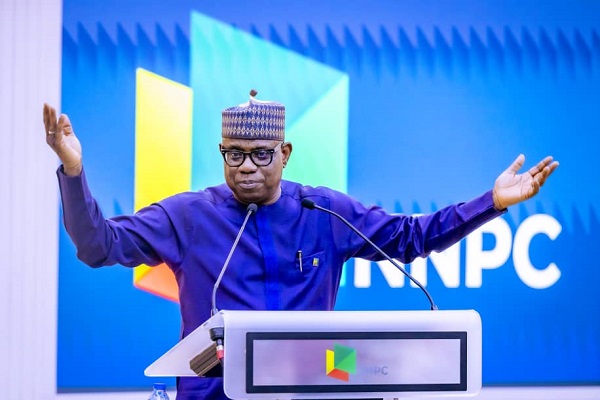
Nigeria’s oil marketers and energy stakeholders have thrown their support behind the proposed privatisation or sale of the country’s underperforming refineries, urging the Federal Government and the Nigerian National Petroleum Company Limited (NNPCL) to ensure transparency, inclusiveness, and accountability throughout the process.
The call follows recent remarks by NNPCL Group CEO, Bayo Ojulari, who admitted in a Bloomberg interview that despite heavy rehabilitation spending, the Port Harcourt, Warri, and Kaduna refineries—with a combined capacity of 445,000 barrels per day—remain obsolete and are not delivering desired results. Ojulari confirmed that all options, including full or partial sale, are now on the table as the company reassesses its strategy, with a decision expected by year-end.
Critics say the refineries have become a massive drain on public resources. Despite trillions of naira in turnaround maintenance and rehabilitation efforts over the years, the facilities remain non-functional, prompting many to label them as “financial black holes.”
Data compiled by The PUNCH reveals staggering expenditures:
- $1.4 billion approved for Port Harcourt refinery in 2021
- $897 million for Warri refinery
- $586 million for Kaduna refinery
- N100 billion spent on rehabilitation in 2021 alone
- $396 million spent on Turnaround Maintenance between 2013–2017
Despite these investments, no significant output has been recorded.
Industry Voices Speak Out
- Billy Gillis-Harry, President of the Petroleum Products Retail Outlets Owners Association of Nigeria (PETROAN), said the sale of the refineries is now the only logical option but warned against turning the process into a political exercise. “We need transparency. Stakeholders like MEMAN, DAPPMAN, IPMAN, and NUPENG must be involved from the outset,” he emphasized.
- Gillis-Harry also questioned the timing and motivation behind the new push to sell, pointing out that past promises—such as a 30-day ultimatum to revive the Port Harcourt refinery—have yielded no visible results.
- Chinedu Ukadike, National Publicity Secretary of the Independent Petroleum Marketers Association of Nigeria (IPMAN), called the refineries a “burden on public finances.” He rejected suggestions that they be sold off as scrap but stressed that privatisation must be driven by a clear, practical roadmap. “For 15 years, they haven’t been operational. It’s time to stop wasting funds,” he said.
- Energy economist Kelvin Emmanuel argued that the failure of anti-graft agencies to probe the past management of NNPCL amounts to economic sabotage. He urged the EFCC and the Attorney-General of the Federation to investigate the billions sunk into refineries with no results. “Selling the refineries without accountability is irresponsible,” he warned.
The refineries’ viability was also questioned by Dangote Group Chairman Aliko Dangote, who recently suggested the facilities may never recover due to years of mismanagement.
Yet, oil sector players are hopeful that if sold transparently and to credible investors, the refineries could be revitalized and the downstream sector opened up to true competition, driving down costs and improving product availability across Nigeria.
