


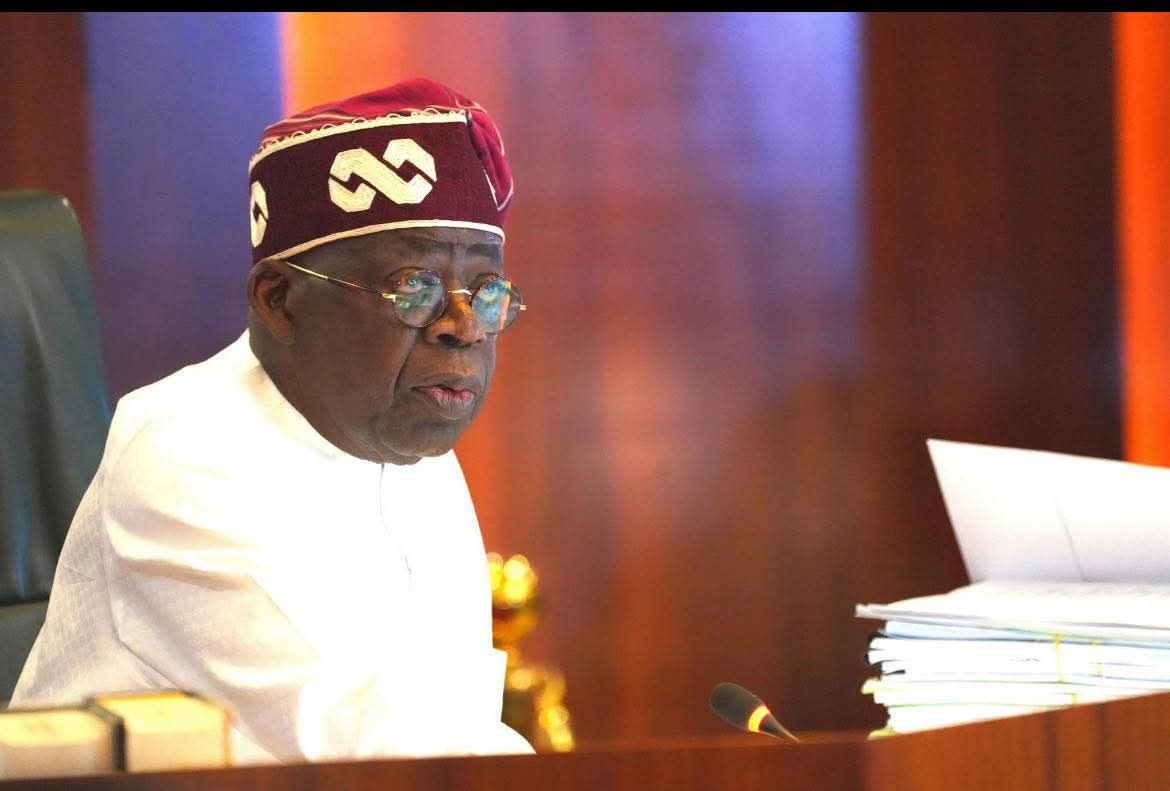
The African Democratic Congress (ADC) has labeled President Bola Tinubu’s government as the most incompetent in Nigeria’s history, accusing the administration of prioritizing re-election over governance.
In a statement released yesterday, ADC National Publicity Secretary Bolaji Abdullahi criticized the government for its handling of appointments and fiscal matters, claiming the presidency has been mired in confusion and inefficiency since 2024. According to the party, the government has simultaneously implemented multiple budgets, with capital expenditure lagging far behind projections.
ADC highlighted that only 17.7 percent of the 2024 capital budget had been released by the third quarter of 2025, with overall budget implementation hovering below 30 percent. Ministries central to human capital development, such as Power, Communications Technology, Education, and Health, have reportedly seen minimal funding, while the Ministry of Defence has exceeded budgetary expectations without curbing nationwide insecurity. The party also pointed to continued borrowing and unpaid contractors as evidence that government spending has not translated into tangible progress for citizens.
“This government has borrowed more aggressively than any other in Nigeria’s history. Yet budgets remain unimplemented, contractors remain unpaid, and Nigerians are suffering like never before,” ADC stated. The opposition added that policy reversals and inconsistent appointments reflect a government distracted by political ambitions rather than national development.
The All Progressives Congress (APC) responded swiftly, dismissing the criticism as political posturing ahead of the 2027 general elections. Abimbola Tooki, Special Adviser to the APC National Chairman on Media and Communications Strategy, argued that federal, state, and local governments are actively executing capital projects across the country, a testament to ongoing governance.
“Ministries, governors, and local government chairmen are performing optimally,” Tooki said. He accused ADC of attempting to remain relevant by attacking an administration that has eliminated financial loopholes and improved oversight of public funds. “This is a clear sign that opposition parties are already jittery ahead of next year’s elections,” he added.
The Presidency has also defended Tinubu’s leadership, highlighting economic reforms and strategic projects initiated since May 29, 2023. Presidential spokesperson Onanuga noted the government’s efforts to restructure the economy, remove wasteful petrol subsidies, reduce overreliance on oil, and promote gas development. Large-scale infrastructure projects, including the Lagos–Calabar Coastal Highway and Sokoto–Badagry Superhighway, are cited as examples of the administration’s achievements.
Onanuga further emphasized tax system reforms designed to harmonize revenue collection and bolster economic growth, asserting that upcoming initiatives will continue to strengthen Nigeria’s development trajectory.
As political tensions rise, the clash between ADC’s allegations and APC’s defense sets the stage for a heated discourse leading up to Nigeria’s 2027 elections, with both parties staking claims over the country’s governance record and future economic prospects.
