


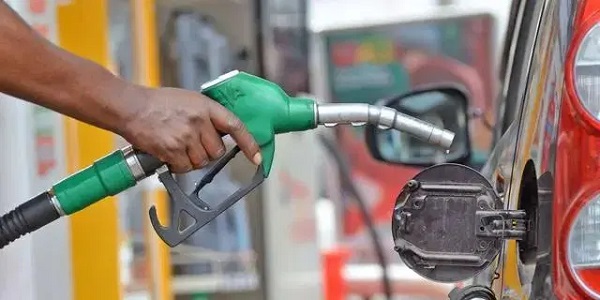
If you visited the pump lately, you probably felt the pinch: petrol prices in Nigeria have surged again, hitting up to N955 per litre in some parts of the country, including Abuja and Lagos.
On Monday, fuel retail outlets owned by the Nigerian National Petroleum Company Limited (NNPC Ltd) adjusted their pump prices upward — with Abuja stations now selling petrol at N945 per litre, and Lagos outlets climbing to N915 per litre. Independent marketers have gone even higher, some pricing fuel at N955 per litre in the capital.
This latest price spike comes just days after the Dangote Petroleum Refinery raised its ex-depot price from N825 to N880, triggering a ripple effect across the downstream sector.
What’s Driving the Surge?
Several factors are converging to push petrol prices through the roof:
- Depot Speculation: Major depots in Lagos, such as Wosbab, Pinnacle, and NIPCO, have raised their ex-depot rates to between N920 and N925 per litre. Some have gone as high as N940.
- International Conflict: Rising geopolitical tensions—especially the escalating US-Iran conflict—have spooked oil markets. Although Brent crude prices briefly touched their highest levels since January, they strangely dipped by market close, likely due to short-term corrections or market skepticism.
- Local Market Instability: Fuel marketers cite volatile exchange rates and supply chain uncertainties. Yet, industry observers like Olatide Jeremiah, CEO of PetroleumPrice.ng, argue that “speculative pricing” and profiteering are largely to blame.
“The increase in global crude prices is about 3%, but depot owners are hiking ex-depot rates by over 10%. This is speculative pricing, not economics,” Jeremiah said.
How Bad Is It?
- In Lagos, consumers are paying between N915 and N950, depending on the station and marketer.
- In Ogun State, stations are dispensing fuel for N935 per litre.
- MRS, Heyden, AP, and other partners of Dangote are now selling at N925 in Lagos.
- Independent marketers are at the high end — as much as N955 per litre in Abuja.
- Even big names like TotalEnergies and NIPCO have pushed prices up, with little relief in sight.
The Ripple Effect
This latest round of price hikes is expected to further burden Nigerian consumers, many of whom are already struggling with rising food prices, high transport costs, and inflation. Businesses are also bracing for impact, as logistics and energy expenses climb.
What Can Be Done?
For now, fuel pricing remains deregulated in Nigeria, meaning the government does not fix or subsidize pump prices. Still, experts warn that without stronger regulatory oversight, depot owners and marketers may continue to manipulate prices under the guise of global events.
Bottom Line
With fuel at nearly N1,000 per litre, and international instability continuing to rattle oil markets, Nigerians may be in for a long, expensive ride unless swift action is taken to address speculation and improve supply logistics.
