


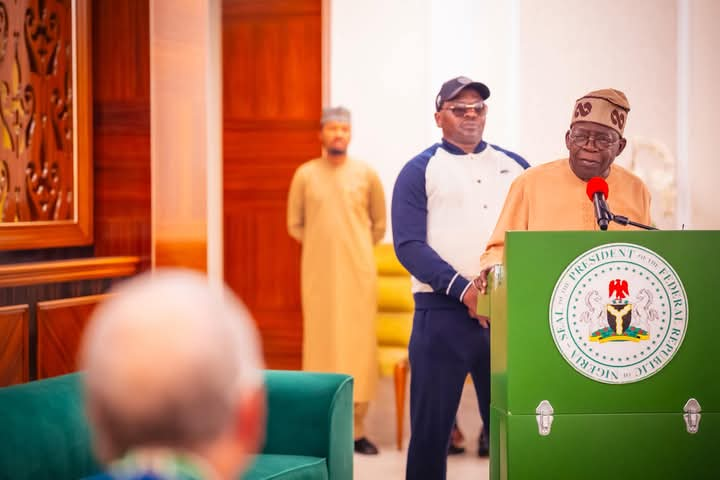
In a recent statement, a faction of the Afenifere socio-political group issued a broadside against the administration of President Bola Tinubu, claiming widespread economic mismanagement, democratic backsliding, and a decline in human development over the past two years.
These sweeping assertions are not only inaccurate—they are fundamentally misleading, driven by political bias and devoid of objectivity. They mirror the talking points of opposition figures, including those supported by the same Afenifere faction during the 2023 general elections.
A fair and fact-based assessment of the administration’s performance shows significant progress despite the challenges of governance in a complex nation like Nigeria. Here’s a breakdown of the key issues raised—and why the reality tells a different story.
1. Economic Reforms: Pain with Purpose
The faction’s critique of President Tinubu’s economic reforms—particularly the removal of fuel subsidy and unification of the exchange rate—ignores the long-term gains and financial relief these bold moves have begun to deliver.
- The removal of fuel subsidy has already saved Nigeria over $10 billion in 2023, funds now redirected to infrastructure, education, and health.
- The unification of the exchange rate, though initially painful, helped stabilise the naira and contributed to boosting foreign reserves to $38.1 billion by 2024.
- Trade surplus now stands at ₦18.86 trillion, while GDP growth reached 4.6% in Q4 2024—the highest in three years.
Inflation, while still high, is moderating. Headline inflation dropped to 23.17% in April 2025, with food inflation easing from 21.79% to 21.26%. These figures are signals of macroeconomic stabilisation in progress.
Meanwhile, over 5.7 million households benefit from cash transfers. Additional initiatives include:
- Presidential Loan & Grant Scheme (900,000+ beneficiaries)
- NELFUND Student Loans (600,000+ students supported)
- NYSC stipend increase (from ₦33,000 to ₦77,000)
- Free CNG kits and buses, reducing transport costs nationwide
- ₦75 billion in palliatives disbursed to states and LGs
2. Cost of Governance and Reform: A Work in Progress
Claims that President Tinubu has ignored the Oronsaye Report are misleading. While implementation is ongoing, tangible fiscal discipline is already evident:
- Fiscal deficit dropped from 5.4% (2023) to 3.0% (2024)
- Debt service-to-revenue ratio reduced to under 40%
- Over ₦6 trillion generated in Q1 2025—driven by subsidy removal and stopping Ways & Means financing
3. Tackling Corruption Head-On
Contrary to allegations of prebendalism, the Tinubu administration has taken credible steps to combat corruption:
- Suspension of Humanitarian Affairs Minister Betta Edu in January 2024
- In 2024 alone, the EFCC secured 4,111 convictions, recovered ₦364 billion, $214.5 million, and other foreign currencies
- In 2025, the EFCC achieved its largest-ever asset recovery: a 725-unit estate handed over to the Ministry of Housing
4. Democracy is Alive and Well
The faction’s rhetoric of democratic erosion is unfounded. Judicial independence remains intact, evidenced by Supreme Court rulings affirming opposition wins in Kano, Plateau, and Abia.
Claims of a police state are hyperbolic. The debate around state police is ongoing and treated with the seriousness it deserves. The administration remains committed to upholding the constitution and democratic norms.
5. Security and Development Go Hand in Hand
Over the past year:
- 13,500 terrorists and criminals neutralised
- 7,000 arrests made, aiding farmers’ return to agricultural activities
The administration has also launched:
- 6 Regional Development Commissions for grassroots empowerment
- Over 20,000 affordable housing units
- Over 2 million Nigerians connected to digital infrastructure
- 150,000+ youths trained under the 3MTT initiative
- ₦200 billion in loans to farmers and agro-processors
6. 2027 Politics and Disinformation
Allegations of government interference in opposition parties are baseless. Such narratives distract from the administration’s focus on governance.
Furthermore, the administration is actively addressing disinformation—including AI-generated fake news—to protect public trust and national unity.
Conclusion: A Half-Full Glass
Yes, Nigerians are facing tough times—but the Tinubu administration is responding with bold reforms, improved fiscal responsibility, targeted welfare programmes, and strengthened institutions. The Caa1 to B3 credit upgrade by Moody’s and Fitch’s B rating upgrade are global affirmations of Nigeria’s policy direction.
The factional Afenifere chooses to see the cup as half empty. But the facts reveal it is, in truth, half full—and rising.
This administration invites constructive feedback, not blanket criticism driven by political allegiance. Responsible citizens and leaders must engage in nation-building, not factional grandstanding.
Nigeria’s comeback story is still unfolding—and under President Tinubu, it’s firmly on course.
