


Despite record budgetary allocations and increased revenue inflows following fuel subsidy removal and foreign exchange reforms, 31 Nigerian states spent only 15.7% of their capital expenditure budgets in the first half of 2025, The PUNCH reports.
Findings from second-quarter Budget Implementation Reports across the states show that just ₦2.75 trillion was disbursed for capital projects between January and June, against a total ₦17.51 trillion capital budget for the year. Analysts warn the sharp underperformance could stall critical infrastructure projects and deepen hardship for millions relying on improved roads, schools, and healthcare facilities.
This trend mirrors last year’s pattern when states earmarked ₦11.34 trillion for capital investment but encountered a ₦3.98 trillion funding gap due to rising wage bills, mounting debt servicing, and revenue shortfalls.
States Blame Insecurity, Procurement Bottlenecks
State governments cited a familiar set of challenges for the slow capital spending: worsening insecurity, bureaucratic procurement processes, soaring inflation, and delays in project approvals.
For example, Benue State recorded just ₦23.32 billion in capital spending — significantly lower than its recurrent expenditure of ₦44.5 billion — citing insecurity as a major hindrance. In June, over 200 residents were killed in an attack in Guma LGA, forcing contractors to abandon sites.
Jigawa, Ebonyi, Sokoto, and Yobe similarly reported sluggish implementation due to tender delays, bureaucratic bottlenecks, and inflationary pressures.
Wide Gaps in Capital-Recurrent Spending
A closer analysis revealed stark contrasts in spending patterns. While some states leaned heavily into capital projects, others prioritized salaries, overheads, and allowances.
- Imo State led in total capital disbursement with ₦188.1bn, followed by Bayelsa (₦238.29bn), Akwa Ibom (₦179.76bn), Edo (₦179.56bn), and Abia (₦133.1bn).
- Enugu had the highest capital-to-recurrent ratio, spending 81.9% of its total ₦121.65bn budget on capital projects.
- In contrast, Kogi, Ekiti, Osun, and Oyo recorded far higher recurrent expenses, raising concerns about their long-term development priorities.
Overall, 31 states spent a combined ₦2.36 trillion on recurrent expenditure — outpacing capital spending and surpassing by ₦364 billion what governors collectively spent on non-essential items like travel, allowances, and refreshments in the first nine months of 2024.
Tinubu Urges States to Prioritize Infrastructure
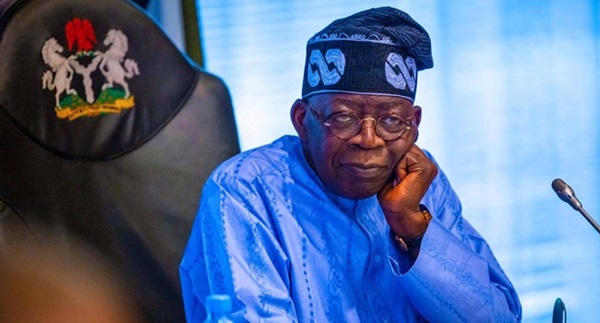
President Bola Tinubu recently urged governors to channel resources into rural development, agriculture, and infrastructure, stressing the need to make government spending more impactful.
“The economy is working. We are on the path of recovery, but we must stimulate rural growth,” Tinubu said in July, calling for improved collaboration between federal and state governments.
Hopes for Q3 Recovery, But Experts Wary
Some states, including Zamfara, Kebbi, and Nasarawa, said capital disbursements would pick up in the third quarter, as procurement processes near completion. Others, such as Ebonyi and Adamawa, plan mid-year budget reviews to better align their capital investment goals.
However, economists are skeptical. Prof. Segun Ajibola of Babcock University warned that unless states cut governance costs and improve oversight, the fiscal inefficiencies would continue to deprive citizens of meaningful development.
“The real issue is poor prioritization, weak accountability, and excessive focus on recurrent spending,” Ajibola said.
As citizens grow increasingly frustrated over stalled projects and unmet infrastructure promises, analysts caution that unless states address the root causes of these delays, the 2025 capital budget could become yet another missed opportunity.
