


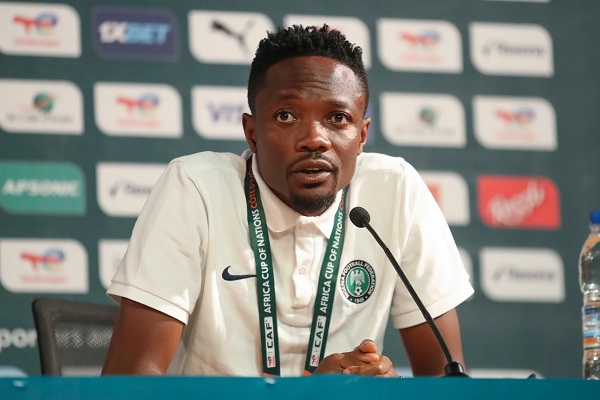
Super Eagles veteran and former captain Ahmed Musa has voiced strong concerns about the current state of Nigerian football, calling for a comprehensive reform of the nation’s football structure after Nigeria was left out of the ongoing FIFA Club World Cup.
Despite four African powerhouses—Wydad Casablanca (Morocco), Mamelodi Sundowns (South Africa), Al Ahly (Egypt), and Esperance (Tunisia)—making the continent proud on the global stage, no Nigerian club made the cut. Even more damning, no Nigerian referees were selected by FIFA to officiate at the prestigious tournament.
Taking to social media platform X, Musa expressed his frustration and disappointment, while also using the moment as a call to action.
“It’s a sober reflection if we compare the African Clubs at the Club World Cup to our domestic league, the Nigeria Premier Football League,” he wrote.
“Can we compete at this level? What are we not getting right?”
“Our Football Needs Urgent Surgery”
According to Musa, the issues go far beyond the pitch. He highlighted poor league organization, inadequate club structures, lack of funding, and weak refereeing systems as critical shortcomings that continue to hold Nigerian football back.
“We need to review the organization of the League, clubs’ structure, and funding. We need to set out new policies and drive the reforms,” Musa emphasized.
He was quick to point out that Nigeria is not short on talent—from grassroots to elite level—but in today’s football world, talent alone is not enough.
“Our football has got abundance of talent and potential… but these factors aren’t enough in a modern football system.”
What Needs to Change?
Musa’s message was loud and clear: Nigerian football needs more than surface-level adjustments. It needs a systemic reboot. His call touched on:
- Club and league restructuring
- Better financial frameworks
- Referee development
- Policy-making that aligns with global football standards
He also noted the absence of Nigerian referees on the international stage as a major red flag, urging football authorities to ensure officials are trained and equipped to meet CAF and FIFA standards.
Musa’s Hope for African Success
While lamenting Nigeria’s absence, Musa still showed solidarity with the clubs representing Africa, wishing them success in the tournament.
“Wishing all the African countries at the FIFA Club World Cup success,” he concluded.
Musa’s remarks are not just a critique—they are a wake-up call. As Africa moves forward on the global football scene, Nigeria must decide whether to watch from the sidelines or rise to reclaim its place among the elite.
