


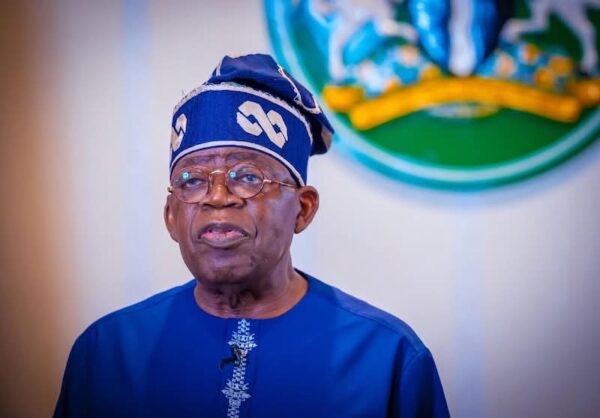
President Bola Ahmed Tinubu has directed a Federal Executive Council (FEC) committee to urgently implement measures aimed at reducing food prices across Nigeria, amid growing concerns over worsening food insecurity.
The directive was disclosed on Wednesday by the Minister of State for Agriculture and Food Security, Senator Aliyu Sabi Abdullahi, during a capacity-building workshop for Senate correspondents in Abuja.
According to Abdullahi, the president’s instruction centers on ensuring the safe and unhindered movement of farm produce across the country’s road networks — a move intended to lower logistics costs and improve affordability.
“The President has given a marching order, with a Federal Executive Council committee already handling it, on how we are going to promote the safe passage of agricultural foods and commodities across our various routes in the country,” Abdullahi said.
Nigeria, Africa’s most populous nation, has experienced a significant spike in food prices following the removal of fuel subsidies, rising transport costs, and security challenges along major transport corridors. While the government has rolled out various intervention programs, food remains out of reach for millions of Nigerians.
Abdullahi said the latest directive is aligned with Tinubu’s broader vision of achieving food sovereignty — a policy framework that goes beyond food availability to include affordability, accessibility, nutrition, and sustainability.
To support this vision, the minister announced two upcoming initiatives:
- A Farmer Soil Health Scheme, aimed at enhancing agricultural productivity through improved soil management;
- A revamped cooperative reform initiative to empower rural farmers and mobilize community resources for agricultural development.
“Mr. President has shown tremendous interest in the cooperative sector as a veritable tool for resource mobilisation, economic activity generation, and improving the livelihood of members,” Abdullahi added.
The workshop, themed “Parliamentary Reporting: Issues, Challenges and Responsibilities,” was attended by key stakeholders including Senator Yemi Adaramodu, Chairman of the Senate Media Committee; Senator Ita Solomon Enang, a former presidential aide; and Prof. Abubakar Sulaiman, Director-General of the National Institute for Legislative and Democratic Studies (NILDS).
