


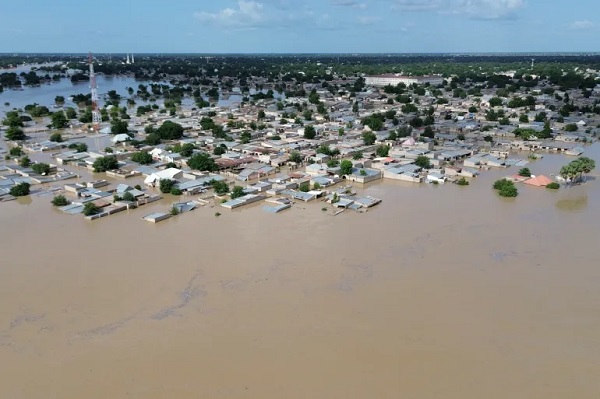
As torrential rains sweep across Nigeria this July, the Nigerian Meteorological Agency (NiMet) has issued a dire warning: flash floods are imminent in at least 20 states. From Sokoto to Lagos, Benue to Bayelsa, millions are bracing for the devastating effects of seasonal flooding.
But as homes, farmlands, and infrastructure lie submerged across communities, a critical question hangs in the air—where did over ₦620 billion in ecological funds go?
The Flood Forecast No One Can Ignore
NiMet’s July 2025 alert identifies several high-risk states, including:
- Sokoto, Kaduna, Zamfara, Yobe, Bauchi
- Bayelsa, Benue, Ogun, Ondo, Lagos, Edo
- Cross River, Rivers, Akwa Ibom, Delta, Taraba, Niger, Nasarawa, Adamawa, Jigawa
Residents have been urged to clear drainage systems, relocate from flood-prone zones, and prepare emergency kits. Still, in places like Okitipupa and Owo in Ondo State, the damage has already been done.
“Flooding was caused by erosion and overflowing streams,” said Mr. Joshua Jemiloni, a resident of Okitipupa. “It affected about 10 buildings.”
Disaster After Disaster, But Where’s the Accountability?
While rainfall may be natural, the scale of damage is largely preventable—and that’s where the spotlight turns to the ecological fund, designed to address exactly these kinds of emergencies.
- From 2012 to 2025, over ₦622 billion has been allocated to Nigeria’s 36 states through the Ecological Fund Office.
- In the most recent cycle alone (June 2023–June 2024), ₦39.62 billion was distributed.
- Yet, 1.2 million Nigerians have been affected by floods since July 2024, with over 180,000 hectares of farmland destroyed.
Despite the huge disbursement, many states remain ill-prepared and reactionary.
“It’s become an endemic problem,” said Afolabi Abiodun, President of the Africa Environmental Health Organisation. “Year after year, people die, homes are destroyed, and nothing changes. There’s no accountability.”
What Went Wrong with the Ecological Fund?
The fund, established in 1981, draws 2% from the Federation Account and is meant to combat erosion, desertification, flooding, oil spills, and drought. However, the management and transparency of its use have come under fire.
A Nigeria Extractive Industries Transparency Initiative (NEITI) report and multiple investigations reveal:
- Poor transparency in how funds are spent
- Projects that start but never finish
- A lack of structured flood resilience plans
- Minimal involvement of communities in project design or feedback
“The issue is not a lack of funds—it’s a failure of governance,” says environmental expert Hakeem Mukhtar. “Drainage systems are ineffective, and early warning systems are absent. We’re reacting instead of planning.”
The Consequences: Lives Disrupted, Agriculture in Crisis
In May 2025 alone, 116,711 Nigerians were affected by flooding across just 12 states.
Most Affected:
- Zamfara: 58,386 victims
- Kwara: 11,830
- Lagos: 9,324
- Enugu: 7,763
- Bayelsa: 5,328
Flooding is also devastating Nigeria’s food supply. The Middle Belt and other agricultural zones have lost crops to water damage, driving food inflation to 35.41% in January 2024.
Experts Say It’s Time for Change
Climate researchers and urban planners alike agree: Nigeria needs more than emergency responses. The country needs long-term infrastructure development, policy coordination, and a clear system to track how ecological funds are used.
“There’s no visible impact,” says Nathaniel Atebije of the Nigerian Institute of Town Planners. “Projects are abandoned. Agreements like the dam with Cameroon to contain the Benue River remain unfulfilled.”
“We don’t even know if state ministries are budgeting effectively,” says Ajagbe Abeeb, a climate adaptation expert. “The money is there—but where’s the plan?”
The Path Forward: Transparency, Planning, and People-Centered Solutions
To truly tackle Nigeria’s flood crisis, here’s what needs to happen:
- Independent audits of ecological fund disbursements
- Publicly accessible data on how funds are spent, per state
- Long-term flood prevention projects, not just crisis response
- Community-based flood warning systems
- Better enforcement of urban planning laws and environmental regulations
Conclusion: A Wake-Up Call
Nigeria’s flood crisis is not just a climate issue—it’s a governance crisis. While the skies bring rain, it’s the failure to plan, prepare, and protect that turns water into disaster. With over ₦620 billion already spent and millions at risk, the time for accountability, transparency, and decisive action is now.
