


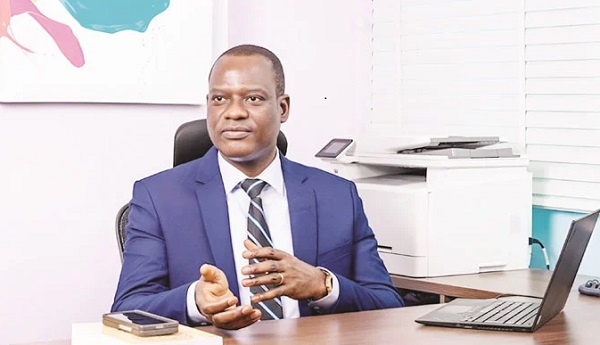
Minister of Finance and Coordinating Minister of the Economy, Taiwo Oyedele, has defended the Federal Government’s proposed $21.7bn external borrowing plan, insisting that the funds are intended to finance productive investments rather than worsen Nigeria’s debt burden.
Oyedele spoke on Wednesday while answering questions from State House correspondents after the Federal Executive Council meeting presided over by President Bola Tinubu at the Presidential Villa in Abuja.
The minister said the proposed loans would finance projects designed to boost economic growth, improve national productivity and raise Nigerians’ living standards.
On Tuesday, Tinubu asked the National Assembly to approve external borrowing of $20.52bn and €1.05bn to finance infrastructure and development programmes across several sectors.
In the letter read by Senate President Godswill Akpabio during plenary, the President said the proposed financing would support projects in transportation, agriculture, healthcare, education, water supply, security, employment generation and financial management reforms.
However, former Vice-President Atiku Abubakar, the African Democratic Congress (ADC) presidential candidate, urged lawmakers to reject the request, questioning the timing, purpose and transparency of the proposed borrowing.
In a statement issued by Phrank Shaibu, director of strategic communication for the ADC presidential campaign council, Atiku said the government had not provided sufficient details about the projects, including their locations, costs and contractors.
He also expressed concern that the funds could benefit political campaigners and favoured contractors, citing reports of changes to the proposed Lagos-Calabar Coastal Highway route.
Oyedele: ‘This Is Investment, Not Borrowing’
Responding to the criticism, Oyedele argued that the proposed financing should be assessed based on the assets to be created and their anticipated economic returns rather than simply as an increase in public debt.
“This is investment, not borrowing,” the minister said.
He explained that the government was seeking funds for projects expected to strengthen economic activity and generate long-term value.
Oyedele also disclosed that the administration was targeting single-digit inflation by the end of 2027 or earlier.
Under the proposed borrowing plan, transportation infrastructure accounts for approximately $10.6bn, covering major projects such as the Sokoto-Badagry and Lagos-Calabar highways and the Kano-Kaduna rail project.
The minister said the government was pursuing financing from multilateral and bilateral development partners, alongside other sources, to implement the projects.
According to him, approximately $7.9bn is expected from multilateral and bilateral partners, including the World Bank.
He added that a $5bn World Bank component would attract concessional financing at an average interest rate of about 2.1 per cent, while some loans for social-sector projects would carry interest rates of around two per cent.
Oyedele said the government was prioritising favourable financing terms to limit borrowing costs and ensure that the projects delivered sustainable economic benefits.
Zebra News reports that the proposed borrowing plan is expected to undergo legislative scrutiny as lawmakers consider the government’s infrastructure funding needs alongside concerns about transparency, debt sustainability and the expected returns on the investments.
